American Food Trucks in Raleigh-Durham
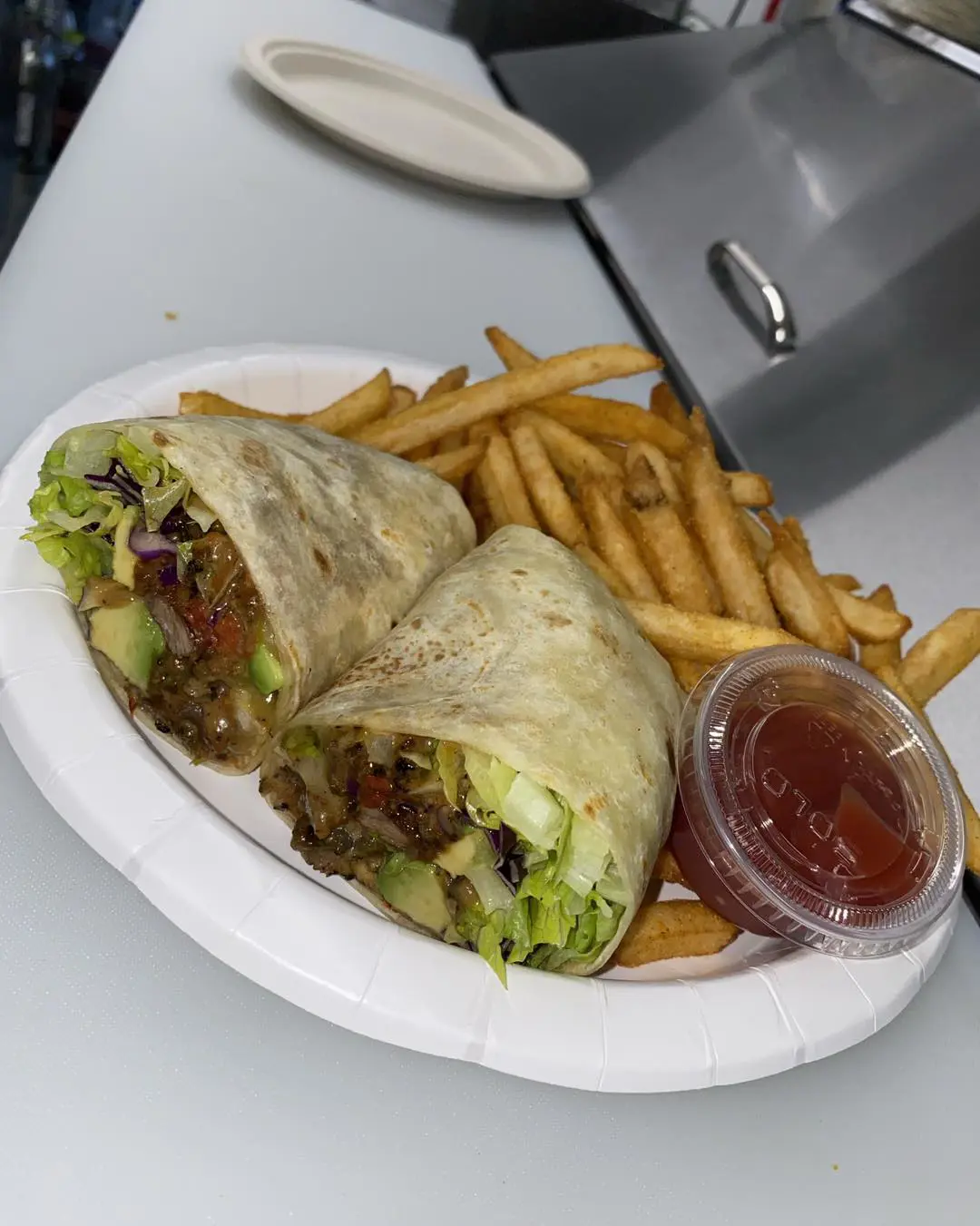
Carolina Comfort on Wheels: Raleigh-Durham’s Ultimate Guide to American Food Truck Catering & Street Eats
The Raleigh-Durham region has become one of the fastest-growing culinary destinations in the Southeast. Known for its innovation, expanding population, and thriving event culture, the Triangle area has also developed a vibrant food truck scene centered around comfort food, BBQ, burgers, Southern classics, and modern American street cuisine.
From gourmet burger trailers and smoked BBQ rigs to comfort food trucks and dessert vendors, American food trucks in the Raleigh-Durham area offer flexible and memorable dining experiences for festivals, weddings, corporate events, and neighborhood gatherings.
In this guide, we’ll explore the growing world of American food trucks in Raleigh-Durham, including catering options, pricing, event planning strategies, and how vendors connect through the Raleigh-Durham Food Truck Association (RDUFTA).
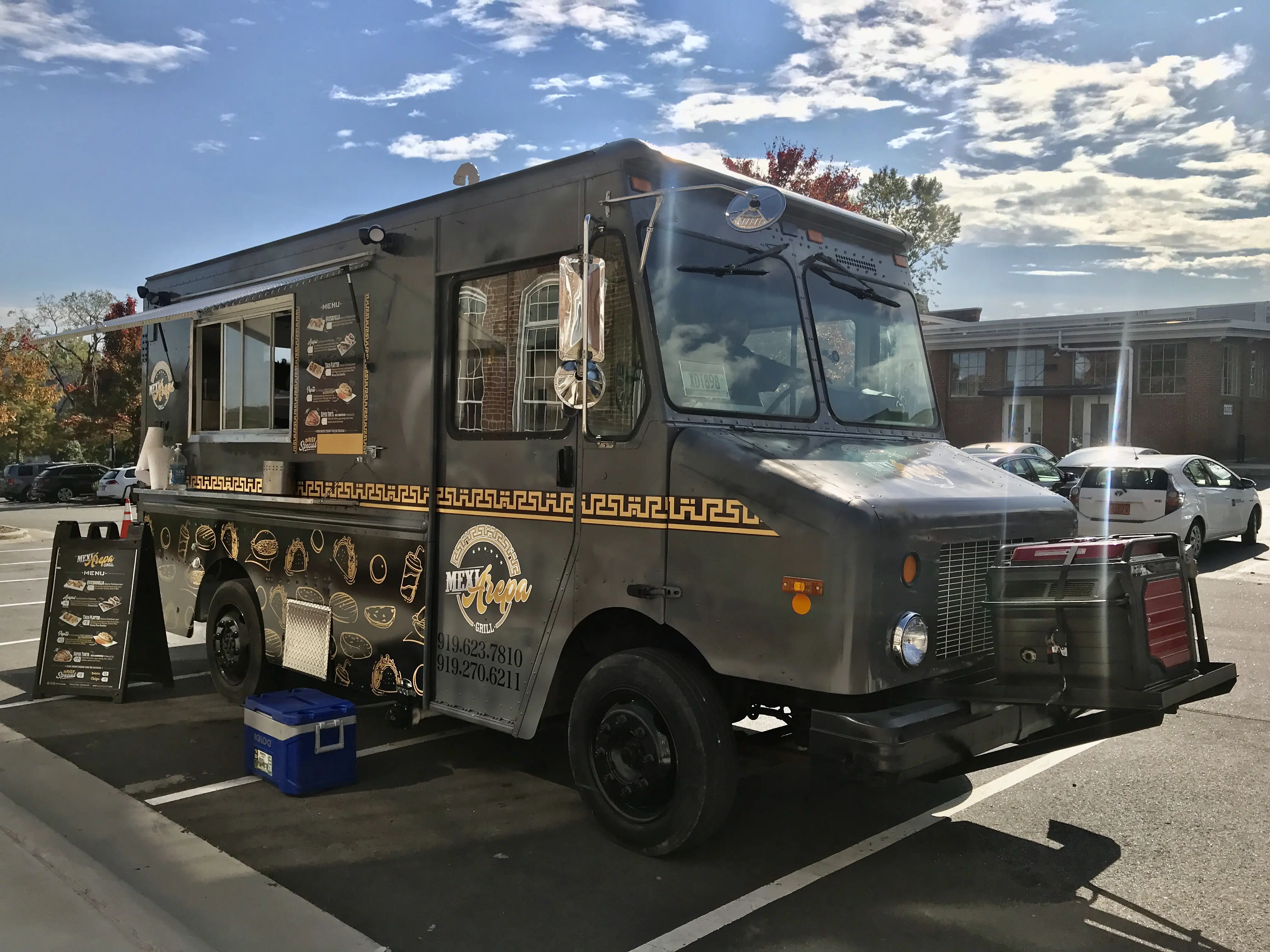
The Growth of American Food Trucks in Raleigh-Durham
The Triangle’s food truck industry has expanded significantly over the past decade.
Why Food Trucks Thrive in the Triangle
Rapid Population Growth
The Raleigh-Durham metro continues to attract new residents, tech professionals, students, entrepreneurs, and expanding businesses from across the country. As the population grows, so does demand for convenient, diverse, and high-quality dining experiences.
Food trucks have become a natural fit for the region’s fast-paced growth because they can quickly serve large groups at offices, apartment communities, festivals, breweries, and public events without the overhead of traditional restaurants.

Culinary Innovation
The Raleigh-Durham area has developed a reputation for culinary creativity, and food trucks play a major role in that growth. Many chefs and entrepreneurs use mobile kitchens as a lower-cost way to experiment with new menu ideas, regional specialties, and fusion concepts before investing in a permanent restaurant location.
Food trucks also allow operators to adapt quickly to changing food trends and customer preferences.
In the Triangle, it’s common to see vendors blending Southern cuisine with international influences, creating unique dishes that stand out at festivals, breweries, and community events.

Southern Food Traditions
Southern food culture is deeply rooted throughout North Carolina, making American comfort food a natural fit for the Raleigh-Durham food truck scene.
Local diners are especially drawn to familiar favorites like BBQ, fried chicken, mac and cheese, biscuits, and hearty sandwiches.
Food trucks are able to modernize these traditional dishes while still preserving the flavors and hospitality associated with Southern cooking.
This combination of nostalgia and creativity helps American food trucks appeal to a broad audience across the Triangle, from college students and families to corporate professionals and tourists.

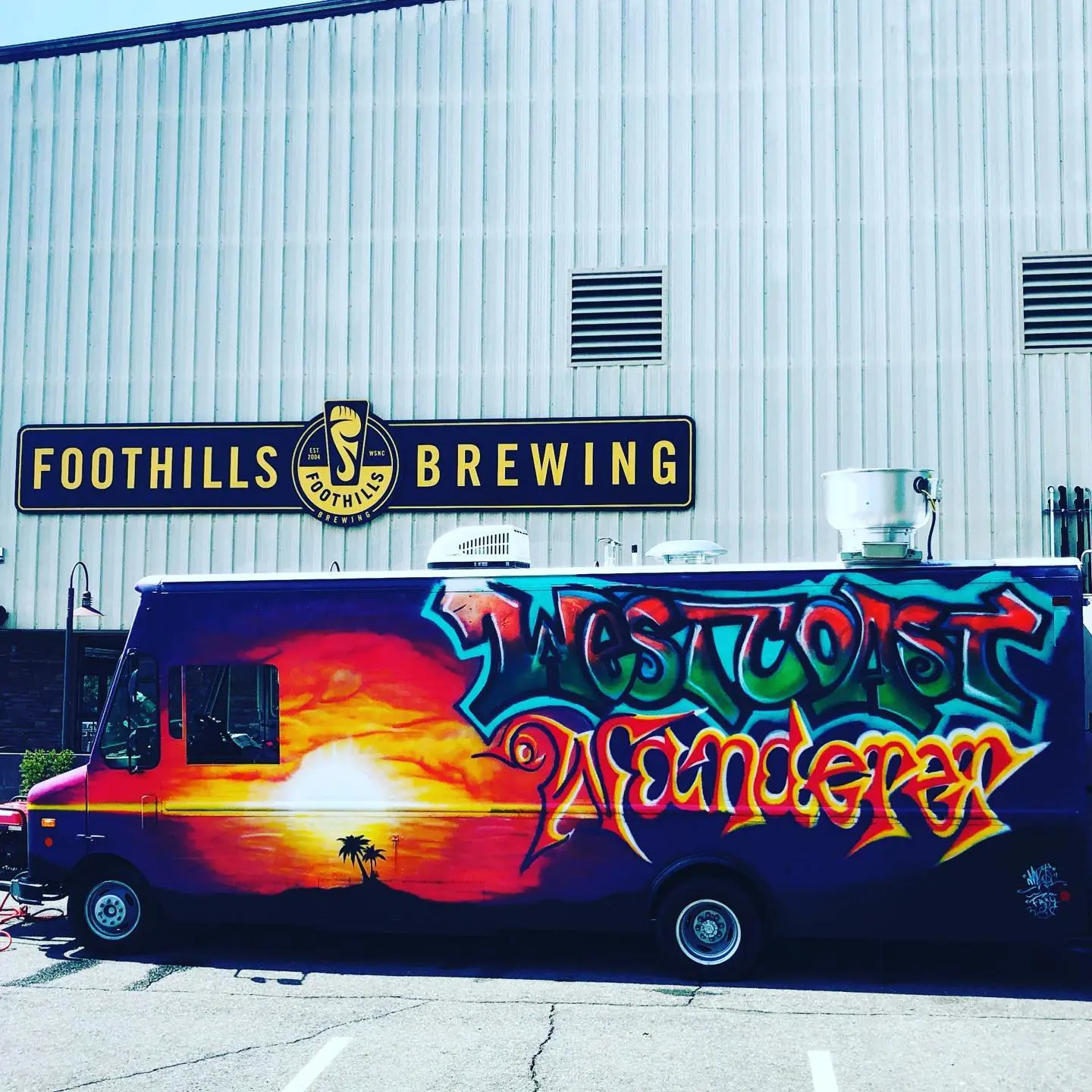
What Defines an American Food Truck?
American food trucks typically focus on recognizable comfort foods and street-friendly classics.
Common Menu Categories
Burgers and sliders
Classic American staples on food trucks go far beyond basic burgers and fries. They represent the comfort foods people know and crave: juicy cheeseburgers, smoky BBQ sandwiches, crispy fried chicken, loaded hot dogs, mac and cheese, hand-cut fries, and hearty sandwiches inspired by regional American flavors.
Burgers remain the centerpiece for many American food trucks because they are customizable, portable, and universally popular at festivals, corporate events, weddings, and street food gatherings.
Modern American food trucks often elevate these staples with gourmet ingredients and creative twists.
Trucks may feature smash burgers with caramelized onions, brisket-topped burgers, house-made sauces, artisan buns, premium cheeses, spicy aiolis, or locally sourced beef.
Alongside burgers, staples like BBQ platters, buffalo chicken sandwiches, chili cheese fries, and Southern-inspired comfort foods help create a menu that feels both familiar and exciting.
This combination of nostalgia and innovation is a major reason American food trucks continue to thrive in cities and food truck associations across the country.

BBQ and smoked meats
BBQ and smoked meat food trucks celebrate one of America’s richest culinary traditions, serving slow-cooked meats packed with deep smoky flavor and regional influence.
Popular menu items often include tender brisket, pulled pork, smoked ribs, sausage links, burnt ends, smoked chicken, and barbecue platters prepared low and slow for hours.
These trucks draw inspiration from iconic barbecue regions such as Texas, Kansas City, Memphis, and the Carolinas, each known for distinct smoking techniques, seasonings, wood types, and signature sauces.
What makes BBQ food trucks especially popular is the combination of authentic cooking methods and comfort-food appeal. Many trucks use wood-fired smokers to create rich flavors that cannot be replicated with standard grilling methods.
Customers are drawn to the aroma of freshly smoked meats, homemade sauces, and hearty sides like mac and cheese, baked beans, coleslaw, cornbread, and loaded fries.
Modern BBQ trucks also add creative twists by offering smoked meat tacos, BBQ sandwiches, brisket burgers, or fusion-style dishes that blend traditional barbecue with contemporary street food trends.

Fried chicken sandwiches –
Crispy chicken served on buns with toppings like pickles, slaw, and spicy sauces for a crowd-pleasing meal. Fried chicken sandwiches have become one of the most popular staples in the food truck industry because they combine bold flavor, satisfying texture, and easy portability for guests at festivals, corporate events, and private parties.
Many food trucks create signature sandwiches using hand-breaded chicken, seasoned marinades, house-made sauces, brioche buns, and unique toppings that elevate the traditional comfort-food experience.
Modern chicken-focused trucks often offer multiple heat levels ranging from mild Southern-style seasoning to Nashville hot chicken packed with spice. Popular additions include honey butter, jalapeños, pepper jack cheese, garlic aioli, bacon, and crispy onions.
Many menus also feature chicken tenders, loaded fries, waffles, and combo platters, giving customers a variety of flavorful options inspired by classic American comfort food and modern street food trends.

Hot dogs and sausages
Portable street food favorites featuring creative toppings, regional styles, and artisan sausages. From classic chili dogs and Chicago-style hot dogs to gourmet bratwursts and smoked sausages, these menu items deliver bold flavor in a convenient handheld format perfect for food truck dining.
Many trucks also experiment with international flavors, specialty relishes, and house-made condiments.
Hot dog and sausage food trucks remain popular because they are quick to serve, highly customizable, and ideal for festivals, sports events, breweries, and corporate gatherings.
Customers enjoy the variety of flavor combinations, ranging from traditional American toppings to globally inspired ingredients like kimchi, queso, spicy mustard, sautéed peppers, and specialty sauces.

Loaded fries and comfort bowls
Hearty dishes topped with cheese, meats, sauces, and comfort-food ingredients designed for filling meals.
Popular variations include BBQ brisket fries, buffalo chicken bowls, mac and cheese bowls, poutine-inspired creations, and rice or potato bowls layered with savory toppings that satisfy hungry crowds at large events and late-night gatherings.
These offerings are especially popular at festivals, food truck parks, and catering events because they are easy to customize, highly filling, and adaptable to different dietary preferences, including spicy, vegetarian, and protein-heavy options that appeal to diverse customer groups seeking indulgent comfort food experiences at any time of day.

Southern-inspired street food
Mobile versions of Southern classics such as shrimp and grits, chicken and waffles, and fried green tomatoes bring traditional comfort cuisine into a fast, street-friendly format.
These dishes preserve the rich heritage of Southern cooking while adapting it for modern food truck service, making them easy to serve at festivals, weddings, and corporate events.
Shrimp and grits often feature creamy sauces and Cajun seasoning, while chicken and waffles balance sweet and savory flavors with syrup, butter, or spicy glaze. Fried green tomatoes are typically served crispy with remoulade or aioli dips.
Many trucks also expand the Southern theme with sides like collard greens, cornbread, jambalaya bowls, and mac and cheese, creating a full comfort-food experience.


Popular American Food Truck Concepts in Raleigh-Durham
Gourmet Burger Trucks
Typical Menu Items
- Smash burgers – Thin, crispy-edged burgers cooked on a hot griddle for maximum flavor and texture.
- Bacon cheeseburgers – Classic American burgers topped with crispy bacon and melted cheese.
- Specialty aioli burgers – Gourmet burgers featuring house-made aioli sauces and unique toppings.
- Fried chicken sandwiches – Crispy chicken served on a bun with sauces, pickles, and other flavorful additions.
Burger trucks are especially popular for:
- Corporate lunches where quick service and crowd-pleasing menus are essential
- Breweries looking for rotating food options to pair with drinks and attract customers
- College events that need affordable, fast, and popular meal choices for large groups
BBQ Food Trucks
North Carolina’s BBQ culture heavily influences the mobile food scene.
Common Offerings
- Pulled pork sandwiches – Slow-smoked pork served on a bun with classic BBQ sauce and optional slaw.
- Smoked brisket – Tender beef brisket cooked low and slow for rich smoky flavor.
- BBQ platters – Combination plates featuring smoked meats paired with traditional Southern sides.
- Mac and cheese sides – Creamy baked macaroni and cheese often served as a comfort-food accompaniment.
Many trucks specialize in Eastern or Lexington-style BBQ traditions.
Southern Comfort Food Trucks
These vendors focus on hearty, nostalgic dishes.
Popular Items
- Chicken and waffles – Crispy fried chicken paired with fluffy waffles, often served with syrup or spicy honey for a sweet-and-savory Southern classic.
- Shrimp and grits – Creamy grits topped with seasoned shrimp, combining coastal flavors with comforting Southern tradition.
- Fried chicken baskets – Breaded and fried chicken served with sides like fries, coleslaw, or biscuits for a hearty comfort meal.
- Loaded mashed potato bowls – Creamy mashed potatoes topped with ingredients like cheese, bacon, gravy, pulled pork, or fried chicken for a filling street food option.
American Fusion Trucks
Fusion cuisine is a major trend across the Triangle.
Examples
- BBQ tacos – A fusion of smoked meats and taco-style street food, often featuring pulled pork, brisket, or smoked chicken with creative toppings and sauces.
- Southern-Mexican mashups – Combines Southern comfort food flavors with Mexican-inspired dishes like tacos, burritos, or quesadillas for a unique regional twist.
- Korean-American sandwiches – Features bold Korean flavors such as bulgogi, kimchi, and spicy sauces served in sandwiches, sliders, or wraps.
- Gourmet grilled cheese trucks – Elevates the classic grilled cheese with artisan breads, premium cheeses, and add-ons like bacon, brisket, or tomato soup pairings.
Dessert & Beverage Trucks
Dessert trucks are common additions to larger events.
Common Offerings
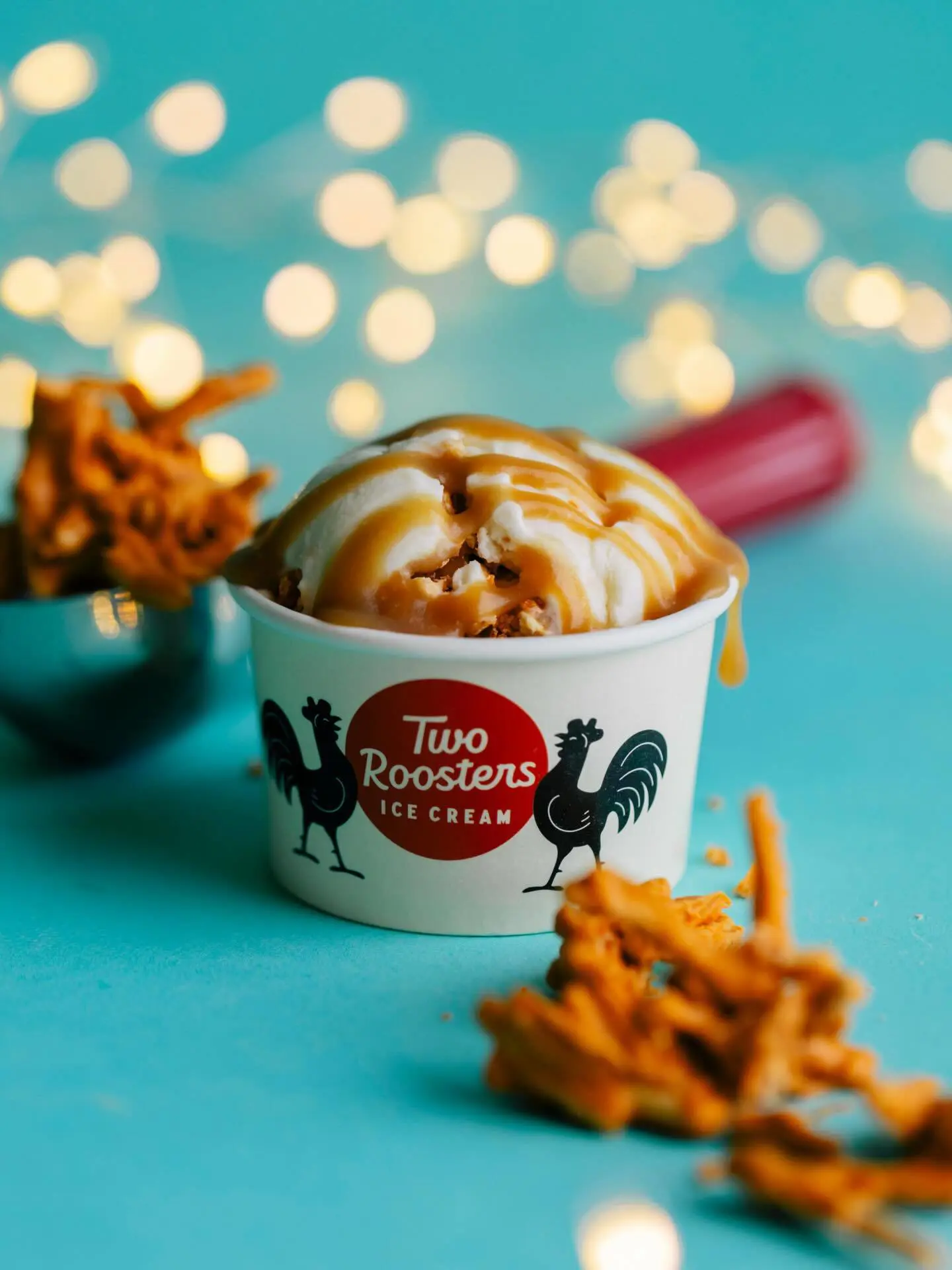
- Ice cream — A popular dessert option that works well for festivals, weddings, and summer events with customizable flavors and toppings.
- Donuts — Fresh-made or gourmet donuts are ideal for breakfast events, late-night snacks, and casual gatherings.
- Funnel cakes — Classic fair-style desserts that add a fun and nostalgic street food experience to events.
- Milkshakes — Thick, customizable shakes that pair well with burgers, comfort food, and family-friendly celebrations.
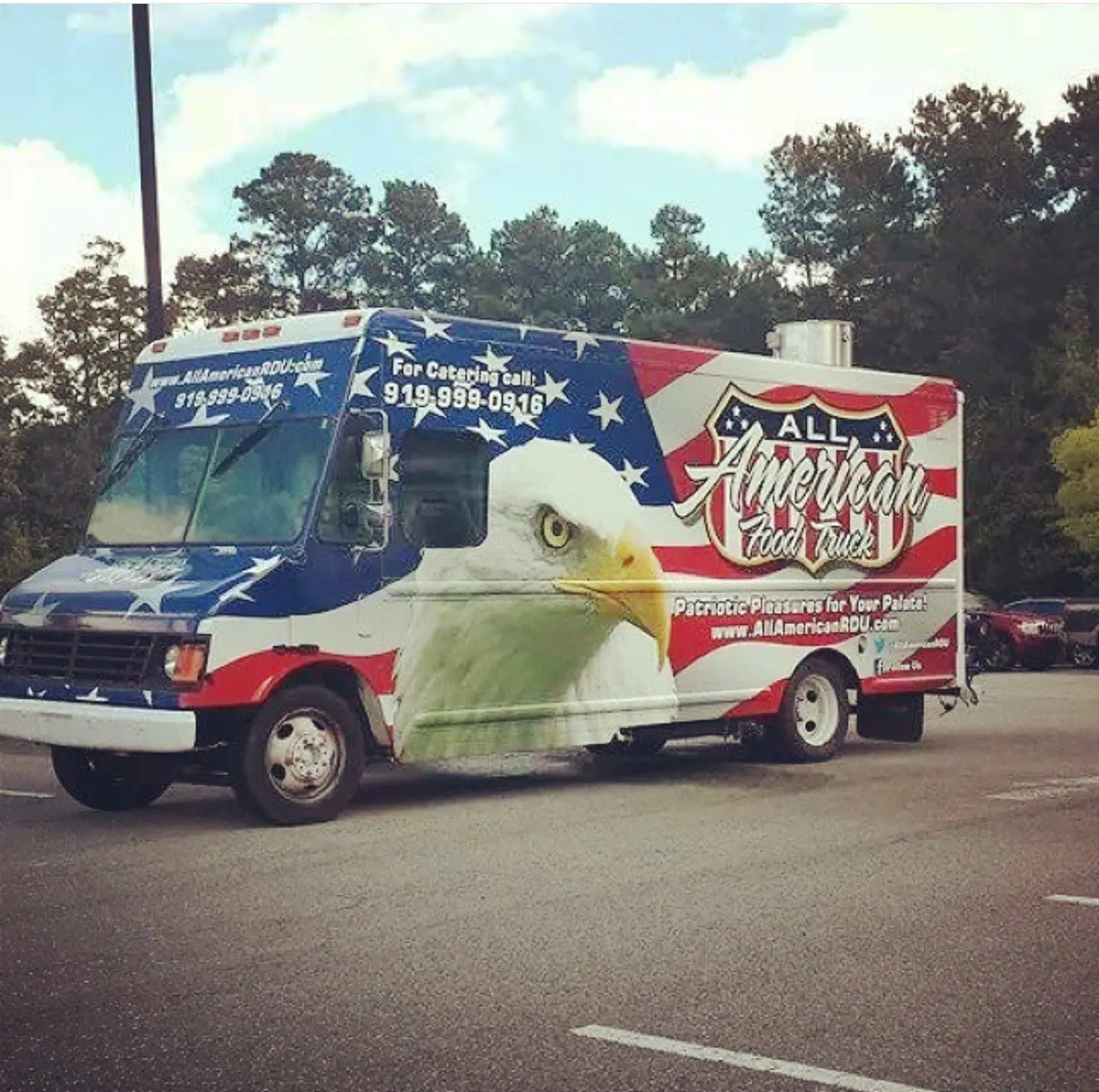
Why Book Through RDUFTA
Booking through the Raleigh-Durham Food Truck Association offers several advantages:
- Access to licensed and insured vendors for safer, more reliable event service
- Simplified event coordination that reduces planning stress and saves time
- Vendor matching based on event size to help ensure smooth food service and guest satisfaction
- Multi-truck event planning support for larger gatherings that require diverse menus and higher serving capacity
For larger events, organizers often combine multiple food trucks to create a more balanced and efficient dining experience for guests. Instead of relying on a single vendor to handle high guest counts and varied tastes, event planners frequently build a small lineup of complementary trucks that can serve different menu styles simultaneously.
A common setup includes:
- 2–3 savory trucks offering different cuisines or specialties
- 1 dessert truck providing sweets, beverages, or late-night snacks
This approach helps reduce wait times, improves guest flow, and creates a more dynamic atmosphere at festivals, weddings, corporate gatherings, and community events. For example, an event may pair a burger truck with a BBQ vendor and a taco truck, followed by an ice cream or donut trailer for dessert service.
Multi-truck setups are especially useful for events with:
- Large guest counts
- Diverse dietary preferences
- Extended service windows
- Multiple meal periods
By coordinating several vendors together, organizers can create a more engaging and flexible catering experience while ensuring guests have plenty of food options throughout the event.
Where to Find American Food Trucks in Raleigh-Durham
Unlike cities that rely heavily on permanent food truck parks or centralized vendor lots, the Raleigh-Durham food truck scene is built around mobility, rotating schedules, and community-driven events. Food trucks throughout the Triangle frequently move between breweries, office campuses, festivals, residential neighborhoods, farmers' markets, and private venues, allowing vendors to reach a wide variety of audiences across the region.
This flexible operating model has helped food trucks become deeply integrated into local culture. Residents often follow their favorite trucks through social media schedules, brewery calendars, and community event listings.
Because the Triangle includes multiple growing cities and suburban communities, food trucks are able to serve diverse crowds ranging from college students and tech professionals to families and tourists. Many vendors also partner with breweries, apartment complexes, business parks, and entertainment venues to create recurring weekly food truck nights. These rotating appearances help maintain variety while giving customers regular access to different cuisines and catering styles.
Popular Food Truck Areas
Downtown Raleigh
Downtown Raleigh remains one of the busiest food truck hubs in the region. The area attracts office workers during lunch hours, tourists on weekends, and large crowds during festivals and public events.
Common food truck opportunities include:
- Office lunch service
- Street festivals
- Concerts and nightlife events
- Community markets
- Government and civic gatherings
The downtown environment is especially favorable for quick-service American comfort food concepts such as burgers, BBQ, sandwiches, and fusion street food.
Durham Downtown District
Durham’s downtown district has developed a strong reputation for culinary creativity and brewery culture. Food trucks frequently collaborate with local breweries, music venues, and arts organizations to provide rotating dining experiences.
Popular Durham food truck settings include:
- Brewery partnerships
- Arts and cultural events
- Live music venues
- Weekend markets
- Startup and tech gatherings
Durham crowds often support experimental menus and chef-driven concepts, making it a strong market for fusion trucks and gourmet comfort food vendors.
Cary & Apex
The suburban communities of Cary and Apex have seen rapid growth in both residential development and community-focused events. Food trucks are commonly featured at neighborhood gatherings, seasonal festivals, and family-oriented entertainment spaces.
Typical opportunities include:
- Community gatherings
- Family-oriented events
- Outdoor movie nights
- HOA and neighborhood events
- Youth sports tournaments
These areas are especially popular for approachable American menus that appeal to broad age groups and families.
Research Triangle Park (RTP)
Research Triangle Park serves as one of the largest corporate catering markets in North Carolina. With thousands of employees working across technology, healthcare, and research industries, food trucks are regularly booked for weekday lunch service and employee appreciation events.
Food truck activity in RTP often includes:
- Corporate catering
- Employee appreciation lunches
- Tech campus events
- Networking mixers
- Company celebrations
Fast service and scalable menus make American food trucks particularly effective in this environment.
University Areas
The Triangle’s major universities create consistent demand for mobile food vendors throughout the academic year. Students, faculty, and campus visitors frequently support food trucks during sporting events, campus festivals, and late-night dining periods.
Major university markets include:
- NC State University
- Duke University
- UNC Chapel Hill
Food trucks near universities often benefit from:
- High foot traffic
- Younger customer demographics
- Flexible event opportunities
- Strong social media engagement
College-area events are especially favorable for affordable comfort food, late-night menus, and trendy street food concepts.
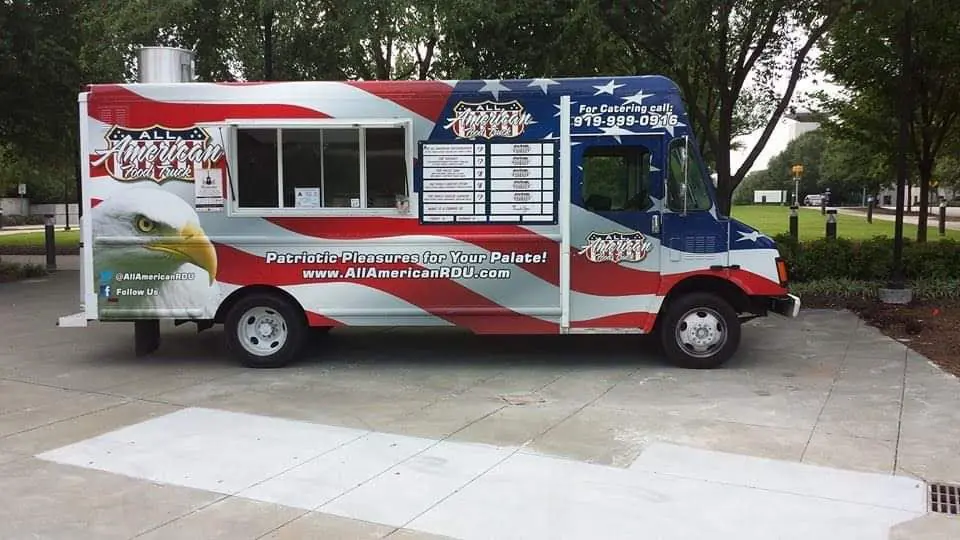
American Food Truck Catering in Raleigh-Durham
American food truck catering has become one of the fastest-growing event dining options across the Raleigh-Durham region. As the Triangle continues to expand with new businesses, residential communities, breweries, and entertainment venues, food trucks have evolved from casual street vendors into full-service catering providers capable of handling everything from intimate backyard parties to large-scale corporate festivals.
One reason food truck catering has become so popular is its flexibility. Unlike traditional catering companies that often require extensive setup and formal service structures, food trucks bring a self-contained kitchen directly to the event. This allows organizers to create a more relaxed and interactive dining experience while still offering high-quality food prepared fresh on-site.
American food trucks are especially appealing because their menus are familiar, customizable, and crowd-friendly. Guests can enjoy comfort foods like burgers, BBQ, fried chicken sandwiches, loaded fries, mac and cheese bowls, and Southern-inspired specialties without the limitations of a traditional buffet line. Many trucks also offer vegetarian, gluten-free, and allergy-conscious options, making them suitable for diverse guest lists.
Another major advantage is the atmosphere food trucks create. Whether parked outside a brewery, wedding venue, office campus, or neighborhood event, food trucks naturally encourage social interaction and casual conversation. Guests often enjoy watching meals prepared fresh to order, which adds entertainment value to the overall experience.
Popular Event Types
Food trucks are now commonly booked for a wide variety of events throughout the Triangle area.
Weddings
Modern couples increasingly choose food trucks for:
- Rehearsal dinners
- Cocktail hour snacks
- Main reception meals
- Late-night food service
American comfort food concepts work especially well for outdoor weddings and rustic venues.
Corporate Events
Businesses across Raleigh-Durham frequently use food trucks for:
- Employee appreciation lunches
- Team-building events
- Office celebrations
- Product launches
- Networking mixers
Food trucks provide fast service while creating a more engaging atmosphere than traditional boxed lunches.
Brewery & Entertainment Events
Breweries throughout Raleigh, Durham, Cary, and Chapel Hill regularly partner with food trucks because they:
- Increase customer dwell time
- Offer rotating dining options
- Create community-focused experiences
Birthday Parties & Private Gatherings
Food trucks simplify private event planning by reducing:
- Kitchen preparation
- Cleanup responsibilities
- Staffing needs
Hosts can focus more on guests while vendors handle food service independently.
Community Festivals & Public Events
Large public gatherings often feature multiple food trucks to provide:
- Variety for attendees
- Faster service lines
- Diverse menu options
American food trucks remain among the most popular choices because of their broad appeal.
Catering Formats
Food truck catering in Raleigh-Durham typically falls into several common service models depending on the event type and budget.
Hosted Catering
Hosted catering is the most traditional and widely used option for private events.
In this format:
- The host pays for all guest meals
- Pricing is usually based on a per-person estimate
- Menus are often simplified for faster service
This model works especially well for:
- Weddings
- Corporate functions
- Private parties
Benefits include predictable budgeting and a smoother guest experience.
Pay-As-You-Go
With pay-as-you-go service:
- Guests purchase meals individually
- Vendors operate similarly to standard public service
This format is common for:
- Brewery events
- Public festivals
- Community gatherings
It reduces upfront costs for organizers while still providing food options for attendees.
Hybrid Model
Hybrid catering combines elements of both hosted and individual purchasing.
Examples include:
- Meal vouchers provided by the host
- Partial meal subsidies
- Limited prepaid menu items
This approach is increasingly popular for:
- Corporate events
- School functions
- Large employee gatherings
It allows organizers to control costs while still offering flexibility to guests.
American Food Truck Catering Prices in Raleigh-Durham
Pricing for American food truck catering in the Raleigh-Durham area can vary significantly depending on several factors, including the number of guests, menu style, service duration, staffing requirements, travel distance, and the overall complexity of the event. Some trucks specialize in simple grab-and-go menus that allow for faster service and lower costs, while others offer premium gourmet experiences with custom menus, upgraded ingredients, and full-service catering packages.
Event organizers should also consider additional expenses that may affect the final quote, such as generator usage, late-night service fees, wedding-specific accommodations, or multi-truck coordination for larger gatherings. In many cases, food trucks require a minimum sales guarantee or a minimum guest count to ensure the event is financially viable for the vendor.
Average Pricing
While every vendor structures pricing differently, the following ranges are common throughout the Triangle region:
Small events (50–75 guests): $800 – $1,500
These smaller gatherings are typically the most affordable option for food truck catering and are common for birthday parties, office lunches, graduation celebrations, and neighborhood events. Pricing usually depends on the menu style, minimum spend requirements, and how long the truck is expected to serve. Simpler menus like burgers, sandwiches, tacos, or BBQ plates generally fall on the lower end of the range, while premium ingredients or customized menus can increase costs.
Medium events (100–150 guests): $1,500 – $3,500
Mid-sized events often require additional staffing, larger food inventory, and more preparation time. These events commonly include corporate functions, weddings, school events, and community gatherings. Costs can vary based on whether the event uses prepaid catering, guest-paid ordering, or buffet-style service. Trucks serving made-to-order meals or offering multiple menu options may charge more due to increased service complexity and longer wait times.
Large events (200+ guests): $3,500+
Large-scale events typically involve multiple food trucks, expanded staffing, and coordinated logistics to efficiently serve high guest volumes. Festivals, concerts, conferences, and large weddings often fall into this category. Pricing increases based on factors such as event duration, number of service windows, menu customization, travel distance, and whether multiple trucks are needed to reduce lines and maintain fast service. Some large events may also require permits, generators, or additional operational support, which can further impact overall catering costs.
For premium events such as weddings, corporate galas, or large festivals, pricing may exceed these ranges depending on customization, staffing, and service expectations. Multi-truck events coordinated through the Raleigh-Durham Food Truck Association may also involve separate vendor minimums and logistical planning fees.
Pricing Structures
Understanding how food truck pricing works is one of the most important parts of planning a successful event in the Raleigh-Durham area. American food trucks use several different pricing models depending on the type of event, guest count, menu complexity, and level of service required.
Unlike traditional catering companies that often rely on fixed banquet-style pricing, food trucks tend to offer more flexible structures that can be customized around the needs of the client. Some events work best with a simple per-person package, while others benefit from minimum-spend agreements or hourly service arrangements.
The most common pricing structures used by American food trucks in the Triangle include:
- Per-person pricing — Guests are charged a fixed rate per meal served, making budgeting straightforward for hosts.
- Minimum spend requirements — The client agrees to meet a minimum sales amount to guarantee the truck’s participation.
- Hourly service rates — Pricing is based on the amount of time the truck remains on-site serving guests.
- Hybrid or customized pricing models — Vendors combine multiple pricing methods to fit unique event needs better.
Each structure has advantages depending on the size and style of the event.
Per Person Pricing
Many American food trucks in the Raleigh-Durham area use a per-person pricing model for private catering events. This structure is especially common for weddings, corporate lunches, employee appreciation events, graduation parties, school functions, and neighborhood gatherings where the host pays for meals in advance.
With this model, the client is charged a fixed amount for each attendee served. This approach makes budgeting easier because organizers can estimate total catering costs based on expected attendance.
Typical pricing generally ranges from:
- $10 – $22 per guest — Pricing varies depending on menu complexity, ingredients, and service level.
Lower-end pricing usually applies to simplified menus with fewer customization options, while higher-end pricing often includes premium ingredients, specialty menu items, larger portions, upgraded presentation, or more elaborate service setups.
Several factors influence per-person pricing, including:
- Type of cuisine — Specialty or gourmet cuisines often require more expensive ingredients and preparation.
- Ingredient quality — Premium meats, cheeses, and locally sourced products can increase overall costs.
- Portion size — Larger servings naturally raise food and supply expenses.
- Number of menu choices — More options require additional prep work and inventory.
- Staffing requirements — Larger crews may be needed for high-volume or fast-paced events.
- Event duration — Longer events increase labor and operational costs.
- Travel distance — Vendors may charge more for events outside their standard service area.
For example, a basic burger-and-fries package for a casual office lunch may fall near the lower end of the pricing range, while a wedding package featuring gourmet sliders, smoked meats, specialty sides, desserts, and late-night service may cost significantly more.
Per-person packages may include:
- Entrées — Main dishes such as burgers, sandwiches, BBQ plates, or comfort food bowls.
- Side dishes — Common additions include fries, mac and cheese, slaw, or salads.
- Drinks — Some packages include bottled beverages or specialty drinks.
- Dessert add-ons — Optional sweets like cookies, brownies, or ice cream may be available.
- Disposable serving ware — Plates, napkins, utensils, and containers are often included.
- Condiment stations — Self-serve toppings and sauces help streamline service.
- Basic setup and cleanup — Vendors typically handle standard operational cleanup after service.
Some vendors also offer tiered packages depending on the level of service and menu complexity.
Examples may include:
- Basic service packages — Simplified menus designed for affordability and fast service.
- Premium catering packages — Expanded menus with upgraded ingredients and presentation.
- Wedding-specific menus — Customized offerings tailored for receptions and formal events.
- VIP or upgraded menu options — Specialty dishes and premium service enhancements for upscale gatherings.
Certain trucks may also provide dietary accommodations such as vegetarian, gluten-free, or allergy-conscious menu items for an additional fee.
One advantage of per-person pricing is predictability. Event organizers know the approximate total cost upfront, making it easier to manage budgets and compare vendors.
Minimum Spend Requirements
Instead of charging per guest, many food trucks operate with a minimum spend requirement. This guarantees that the vendor earns enough revenue to justify staffing, travel, food preparation, fuel, and operational costs for the event.
Under this structure, the client agrees to spend a minimum dollar amount regardless of the exact number of meals served.
Typical minimums range from:
- $1,000 – $3,000 — The exact amount depends on event size, timing, and vendor demand.
Minimums can vary based on:
- Day of the week — Weekend bookings are often more expensive due to higher demand.
- Event location — Remote venues may increase travel and setup costs.
- Guest count — Larger crowds typically require more staffing and inventory.
- Service duration — Longer events increase labor and operational expenses.
- Seasonal demand — Peak wedding and festival seasons may raise minimums.
- Menu complexity — Elaborate menus require additional prep time and ingredients.
- Distance traveled — Vendors may charge more for events outside the Triangle area.
Weekend evenings and peak wedding dates often come with higher minimums due to increased demand.
Minimum-spend arrangements are especially common for:
- Smaller private events — Hosts can secure a truck without committing to per-person catering.
- Neighborhood gatherings — Flexible attendance works well with minimum-spend models.
- Brewery pop-ups — Food trucks often partner with breweries using sales guarantees.
- Apartment community events — Resident turnout may vary throughout service hours.
- Corporate activations — Businesses use flexible spending structures for promotional events.
For example, if a truck has a $1,500 minimum and guest purchases only total $1,200 during service, the event organizer would typically pay the remaining $300 difference.
This pricing model helps food trucks maintain profitability while still offering flexibility for events where attendance may fluctuate.
Minimum-spend agreements may also include:
- Travel fees — Additional charges may apply for long-distance events.
- Generator fees — Some locations require trucks to provide independent power sources.
- Staffing surcharges — Extra staff may be needed for large or fast-paced events.
- Extended service charges — Longer operating windows can increase labor costs.
Clients should always clarify exactly what is included in the minimum before signing a contract.
Hourly Rates
Some food trucks charge based on hourly service, particularly for festivals, brewery events, neighborhood gatherings, sporting events, school functions, or corporate activations where guest counts may fluctuate throughout the event.
With hourly pricing, the client pays for the truck’s time on-site rather than a fixed number of meals.
Typical hourly pricing ranges from:
- $150 – $350/hour — Rates vary depending on staffing, menu complexity, and event logistics.
Hourly pricing may include:
- Truck setup and breakdown — Vendors handle arrival, preparation, and cleanup logistics.
- Staffing — Service crews are included to prepare and distribute food efficiently.
- Cooking and service time — The hourly rate covers active meal preparation and guest service.
- Basic menu offerings — Standard menu items are often included in the package.
- Equipment usage — Grills, fryers, smokers, and kitchen equipment are factored into pricing.
- Fuel and operational expenses — Costs associated with running the truck are typically included.
Additional fees may apply for:
- Extended service windows — Longer events may require additional hourly charges.
- Overtime — Vendors often charge extra if service exceeds the agreed schedule.
- Additional staff — Large crowds may require expanded service teams.
- Large-scale production — High-volume events can increase food prep and labor costs.
- Travel outside the Raleigh-Durham area — Distant venues may involve transportation surcharges.
Hourly service models are often useful for events where organizers want continuous food availability over several hours rather than serving all guests at once.
Examples include:
- Corporate open houses — Guests can eat casually throughout the event.
- Festivals — Continuous service supports fluctuating crowd sizes.
- Concerts — Food trucks provide convenient dining during entertainment events.
- Community celebrations — Flexible service works well for public gatherings.
- Sporting tournaments — Guests and participants often eat at different times throughout the day.
Some trucks combine hourly pricing with minimum sales guarantees or capped guest counts to create hybrid agreements that better fit the event structure.
Final Thoughts
American food trucks in Raleigh-Durham represent far more than a convenient catering option—they reflect the broader culture, creativity, and rapid growth of the Triangle region itself. As Raleigh, Durham, Cary, Chapel Hill, and surrounding communities continue to expand, food trucks have become an important part of how residents gather, celebrate, and experience local cuisine.
Their mobility allows them to serve a wide variety of neighborhoods, breweries, campuses, office parks, festivals, and private venues while offering guests restaurant-quality meals in a more relaxed and interactive setting.
One of the biggest reasons American food trucks continue to thrive in the Triangle is their versatility. Vendors can adapt menus for nearly any type of event, whether it’s a casual backyard party, a large-scale corporate activation, a wedding reception, or a community fundraiser. Guests appreciate the variety and customization that food trucks provide, while event organizers benefit from simplified logistics, scalable service options, and memorable guest experiences.
From Carolina BBQ and gourmet burgers to Southern comfort food and modern fusion concepts, American food trucks appeal to a broad audience and fit naturally into the region’s strong food culture.
The Raleigh-Durham area is also uniquely positioned for continued food truck growth because it combines universities, technology companies, breweries, entertainment districts, and rapidly developing suburban communities. This creates year-round demand for mobile catering and street food experiences.
Vendors connected through the Raleigh-Durham Food Truck Association help streamline the booking process by connecting clients with licensed, experienced operators who understand local event requirements and service expectations.
As the Triangle continues to evolve, American food trucks will likely play an even larger role in shaping the local dining landscape. More specialized concepts, eco-friendly operations, and chef-driven menus are emerging every year, giving residents and visitors even more options to explore.
Whether serving lunch in Research Triangle Park, catering weddings in Chapel Hill, or appearing at festivals in downtown Raleigh and Durham, food trucks continue to bring together convenience, creativity, and community in a way that traditional catering often cannot match.